
Conversation Report on Generations in Transition
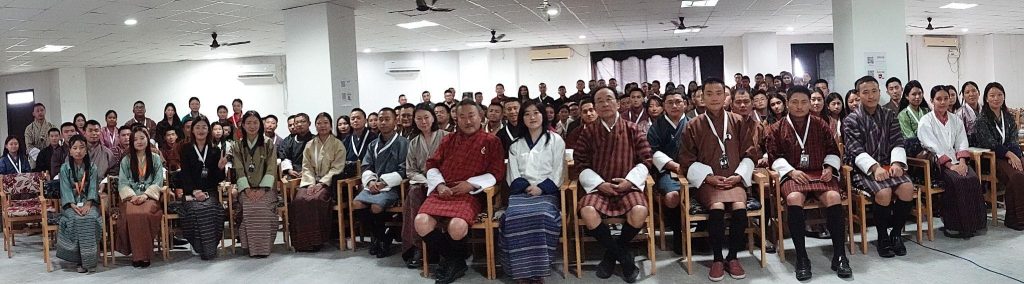 The Druk Journal Conversation on the theme “Generations in Transition” was held on 29th April at RRCO hall 4, Gelephu with 166 Pelsups participating. The session brought together diverse pelsups comprising new graduates, civil servants, private sector, and early-career professionals to share experiences, encourage intergenerational dialogue, and reflect on key challenges, opportunities, and recommendations for change and development. This is the 23rd edition of the bi-annual Journal that is now into its 12th year of publication.
The conversation focused on several articles in the Spring issue that covers Social Developments, the Bhutanese Diaspora, and how Life Goes On.
The conversation covered many important issues that portrays Bhutan today and will shape Bhutan’s future. They explored the need for a more sustainable healthcare system. They also discussed reimagining national identity, youth aspirations and diaspora. Bhutan’s expanding healthcare system faces rising costs and limited expertise, highlighting the need for private and international support. The need to reimagine national identity, youth aspirations and outmigration was discussed in the current context of youth out-migration and the diaspora. Acknowledging some cultural disconnect among youth, suggestions were made to strengthen Bhutanese identity through diaspora engagement, skills, and economic benefits. Also, new approaches to financing Bhutan’s future through a stronger entrepreneurial ecosystem where Bhutan’s business growth is limited by lack of funding, strong government control, and weak support. So it needs better systems to help businesses grow and expand and engage with the Bhutanese diaspora. Bhutanese youth in Australia are changing but still connected to Bhutan, so migration should be discussed in the context of identity. In addition, Migration and Healthcare Challenges for Bhutan’s Aging Population, better care for elderly and the sick, with more community support and shared responsibility beyond just families was defined as critical issues.
The session was moderated by Dasho Kinley Dorji, Editor of The Druk Journal, and featured five speakers – three of whom were interviewed online by The Druk Journal, based on their individual articles:
- Pem Namgyal Dr Pem Namgyal a medical doctor who currently serves as the President of Bhutan’s Khesar Gyalpo University of Medical Sciences of Bhutan and the Jigme Dorji Wangchuck National Referral Hospital.
- Tandin Dorji Director, Research and Innovation, Institute for Management Studies Limited at Thimphu
- Tashi Dorji, a former media professional and currently a PhD candidate at Edith Cowan University in Western Australia.
- Thuji Lhamu, a board certified Advanced Practice Clinical Nurse Specialist living and working in Southern California. She is the Country Director for the Health Volunteers Overseas Palliative Project in Bhutan.
- Yangchen Dolkar Dolkar Dorji a development professional with over 13 years of experience across Bhutan’s corporate and international development sectors. She is a Project Manager at Helvetas, Bhutan who shared key insights from their respective articles.
Brief feedback summary
The programme received positive feedback from participants. 60.0% of the participants rated the event as “Very Good” and 33.3% as “Excellent,” showing that they were satisfied with the session. The overall organisation, including time management and the flow of the programme, was also rated highly.
Participants felt that the discussion topics were relevant and connected to current issues and concerns. The speakers and discussions were found to be interesting and engaging. Many participants also said that the video presentations helped them understand the topic better.
Some of the main issues discussed during the programme included youth migration, diaspora, brain drain, healthcare problems, and the situation of the older generation. Participants appreciated the open and interactive discussions with the conversation including group discussion from where suggestions were encouraged to address Bhutan’s current challenges. A few suggested including more activities like quizzes and audience participation to make future sessions even more engaging.
Speaker 1: Thuji Lhamu (online conversation)
Article: Bhutan’s Aging Population, Migration and Healthcare Challenges
While Bhutan is developing quickly, Thuji Lhamu said that its healthcare system, especially care for the elderly and those who are seriously ill is not improving at the same pace. With more young people leaving the country and the number of older people increasing, families are facing more pressure to take care of long-term and end-of-life patients, with very little community support available. Participants stressed the need for a community-based approach, where all healthcare workers have basic skills in palliative and geriatric care, along with a strong national policy to protect vulnerable elderly people. The presenter also highlighted the need to reduce dependence on the government by encouraging support from the private sector and other organisations, emphasising that without these changes, Bhutan’s social fabric and overall well-being could be affected.
Speaker 2: Dr. Pem Namgyal
Article: The Current Model of Bhutan’s Health Care System is Unsustainable
Dr Pem Namgyal shared an overview of Bhutan’s healthcare system, highlighting its evolution and the growing challenges in maintaining a fully free and sustainable system. While healthcare was originally designed as a three-tier system, it has expanded significantly, including national-level hospitals and increasing reliance on treatment abroad. A key concern raised was the broad interpretation of “free healthcare,” which has reduced individual responsibility and placed heavy financial pressure on the government system. Rising costs, especially for medicines and overseas referrals, are becoming difficult to sustain, with expenses expected to increase further in the future. The discussion also raised concerns about limited local expertise, raising suggestions such as involving the private sector, allowing foreign investment, and bringing in international specialists to strengthen the system and reduce dependence on costly treatment abroad.
Speaker 3: Tashi Dorji (online conversation)
Article: Generations in Transition: Negotiating Transnational Identity and Gross National Happiness co-authored by Tashi Dorji and Dr Karma Jamtsho.
The presenter, Tashi Dorji, shared key findings from a research study on Bhutanese youth migration, focusing on youth living in Perth, Australia. Tashi Dorji explained that migration should not be seen as a loss, but as a space where young people reshape their identity and experiences. The article stated that Bhutanese youth abroad are not losing their values but are adapting them in a global setting while still staying connected to Bhutan through family, culture, and the idea of Gross National Happiness (GNH). The presenter also highlighted that Bhutanese youth in Perth had a flexible sense of home, as they feel connected to both Bhutan and their life abroad, which sometimes creates mixed feelings. Living overseas often helps them appreciate Bhutanese culture more, but also brings challenges like family expectations and uncertainty about returning home. The presenter suggested that migration should be seen as a natural extension of the Bhutanese identity, and recommended stronger engagement with the diaspora and more flexible ways for them to contribute to Bhutan.
Speaker 4: Tandin Dorji ( online conversation)
Article: Should Bhutan reimagine its identity? Youth Aspirations, Outmigration and Values
Dr Tandin Dorji discussed the impact of Bhutanese out-migration on national identity, highlighting that it should be viewed as an opportunity rather than a loss. While Bhutanese living abroad naturally develop a mix of cultures, their core identity remains strong, especially through shared values and traditions. The speaker said that many Bhutanese living abroad work hard to keep their culture alive, sometimes even more than people living in Bhutan. Although there are some challenges, especially with younger generations feeling less connected to Bhutan, the discussion also mentioned advantages such as financial aid from abroad, new business opportunities, skill development, and stronger digital connection. The presenter also emphasised the importance of supporting identity through online platforms, government initiatives, and continued engagement with Bhutanese communities abroad, emphasising that Bhutanese values are resilient and do not need to be redefined.
Speaker 5: Yangchen Dolkar Dorji
Article: Financing Bhutan’s Future: Reimagining Bhutan’s Entrepreneurial Ecosystem
Yangchen Dolkar Dorji spoke about Bhutan being at a critical juncture in its development, with declining trends in development aid, labour markets impacted by emigration and AI, and risks of widening inequality and last-mile communities being left behind. The speaker underscored that the global impact investment market has increased to USD 1.6 trillion in 2025 and South Asia’s allocation grew significantly, but countries like Bhutan remain largely underrepresented. While there have been significant State reforms to create more investor-friendly policies, targeted efforts are required to address existing structural barriers for what development practitioners call ‘the missing middle’ of ventures that demonstrate clear social value but face challenges in scaling due to lack of access to financing, markets and hands-on business support. To build an entrepreneurial ecosystem that addresses the current challenges of the MSME sector, the speaker stressed the need to create an enabling environment for investor networks and intermediaries such as incubators and accelerators to function as aggregators that derisk investments, develop an investable pipeline of ventures, provide sustained mentorship and support to improve broader investment readiness, and facilitate access to smaller patient capital.
To respond to this existing gap at the rural community level, the speaker also shared a brief background on a Grassroots Venture Facility under LEAD+, a development consultancy firm co-founded by her. The initiative is piloted with support from Bicester Collection’s Unlock Her Future Prize to provide financing that blends micro-impact investment with incubation and technical assistance to rural women and youth in South, Central and Eastern Bhutan.
Outcome of the Event
The event helped participants understand more clearly the major issues that Bhutan is currently facing. These include youth migration to other countries, challenges in the health care system with a changing generational profile, the increasing aging population, and the lack of strong opportunities in entrepreneurship. During the discussion, participants openly shared their opinions and experiences. Participants heard different perspectives. It helped participants understand that these problems are connected to each other and affect the country’s development as a whole. Participants came to view migration from various lenses, rather than seeing it only as a loss, they also saw its benefits if people return or stay connected with Bhutan.
The session made participants more aware of the importance of culture, identity, and the role of youth in shaping the future of the country. It highlighted that Bhutan needs more opportunities for young people so that they can contribute within the country. Overall, the event increased awareness, encouraged open thinking, and helped participants realise that everyone has a role in solving these national issues. It motivated participants to think of practical solutions to work together for Bhutan’s future development.
Way Forward and Recommendations emerging from the conversation:
Healthcare System and Financing
- Unhealthy lifestyles are increasing physical and mental health problems in Bhutan, so the healthcare system should be improved through door-to-door and community-based services, awareness campaigns, and research.
- Strengthen home-based and palliative care while improving transparency, accountability, working conditions, and career development for health workers.
- Strengthen healthcare at the community and home level by expanding services like home-based care and palliative care, while also improving transparency and accountability in the healthcare system.
- Improve working conditions, facilities, and career development opportunities to retain healthcare professionals in Bhutan.
- Bhutan could address rising healthcare costs by introducing a national health insurance scheme with shared contributions from the state, citizens, and the diaspora, and by strengthening community-level healthcare systems to ensure long-term sustainability.
Knowledge Transfer in Healthcare
- Generational change in hospitals has created a digital skills gap where older staff may struggle with new systems and younger staff may lose access to traditional clinical knowledge, so a blended training approach is needed where younger staff teach digital tools like electronic health records while senior staff share experience in patient care and clinical judgment.
Language and Cultural Preservation
- The use of Dzongkha and local dialects is declining among young people due to the preference for English, which is seen as more useful for education and future opportunities. So it (Dzongkha and dialects) should be promoted through digital content, interactive school learning, collaboration with influencers, and youth clubs to make the language more engaging, and relevant in daily life.
- Recognize youth migration as a transformative opportunity where Bhutanese identity and belonging can evolve positively in a global context.
- Reimagine GNH as a globally adaptable framework that can connect Bhutanese living abroad with Bhutanese values.
Youth Migration, Employment, and Entrepreneurship
- Bhutan is facing brain drain as many educated young people are leaving the country, reducing its skilled workforce and economic potential, so the solution is to encourage a mindset of contributing to Bhutan’s development, use national service projects to engage youth, value all types of work equally, and reform civil service systems to create better long-term career opportunities.
- Young people are migrating not because there are no opportunities, but because the local economy does not give them a strong place to start, so the solution is to build a stronger sense of purpose through immersive engagement and create return programs with grants that allow youth to contribute to local initiatives and find meaningful opportunities at home.
Promoting Entrepreneurship and Innovation
- To support young people and reduce unemployment and migration, Bhutan should promote entrepreneurship and innovation by building a strong support system with incubators, accelerators, funding, mentorship, market access, and easier financing for startups, small businesses, and new entrepreneurs.
- Develop policies and financing systems that support startups, MSMEs, and first-generation entrepreneurs and create alternative financing opportunities for small businesses that cannot access traditional collateral-based loans.
- Create conditions where financing and opportunities can reach small and growing businesses at the right stage.
- Use Bhutan’s strengths and new ideas to bring in partners and investment, and support startups with guidance, business help, and funding so they can grow successfully.
Research and Development
- There is a lack of funding for research and development, but growing interest in traditional Bhutanese medicine and practices like meditation presents an opportunity to attract investment and support Research and Development (R&D) funding.
Diaspora Engagement
- Create structured platforms such as digital forums, mentoring networks, and youth councils to engage Bhutanese youth abroad.
Strengthening Community-Based Initiatives
- Encourage CSOs and communities to work together to build sustainable community-based projects rather than depending fully on free support.
This issue Generations in Transition features 15 articles by 19 writers. They include articles by retirees who emphasise the need for inclusion to tap into the experience of Bhutanese retirees. Find all the articles on https://drukjournal.bt/generations-in-transition/ .This edition of The Druk Journal and the Conversation were made possible with support from the Bhutan Foundation and the Pelsung Programme.
Pelsub Testimonials
“The most striking topic that stuck to me was about the out-migration and the rain-drain situation of the country. The reason why it struck me is because I still take my concept of out-migration or brain-drain from a pessimistic side. I must say that the concept itself was very frightening thinking that the country’s working population was going outside and then the only younger generation as well as the aging generations were being left behind. But then on the other side, the speaker talked about how out-migration can be taken as a positive aspect as well because they will be bringing in multiple skills from out of the country that they will be contributing to the future growth of a country. So there is an internal debate that has been left with me.” – Pelsup Kinzang Dechen
“One main takeaway from today’s session was, even though there is a lot of transition and move of young Bhutanese people living abroad the main thing that stuck with me was the palliative care that was covered by the first speaker. I think that really shows how Bhutanese society used to be before and how it’s changing in the current times, especially since elderly people are being left behind in the town and the increasing need for such a care system is very vital here, but sadly it’s not. So I think the main takeaway from today’s session was there was a strong need of such care systems and how such exodus living in Bhutan created impact in Bhutanese society as of now .” – Pelsup Pelden Lhamo
“For me, the idea about Entrepreneur mindset was vital because as per what we have been learning about Entrepreneurship is that for doing a business startup we need to have a good idea and pitch that. But there are many limitations. But we got exposure to agencies like Loden Tewa who are responsible for giving us financial assistance and also expert mentorship that can develop our business. .” -Pelsup Anush Gurung
“The takeaway from today’s session is of an age gap problem because young Bhutanese are leaving the country and that creates pressure on the healthcare system as well. And because of that, elderly people need care and there are fewer young people to support them ” Pelsup Gagan Rai
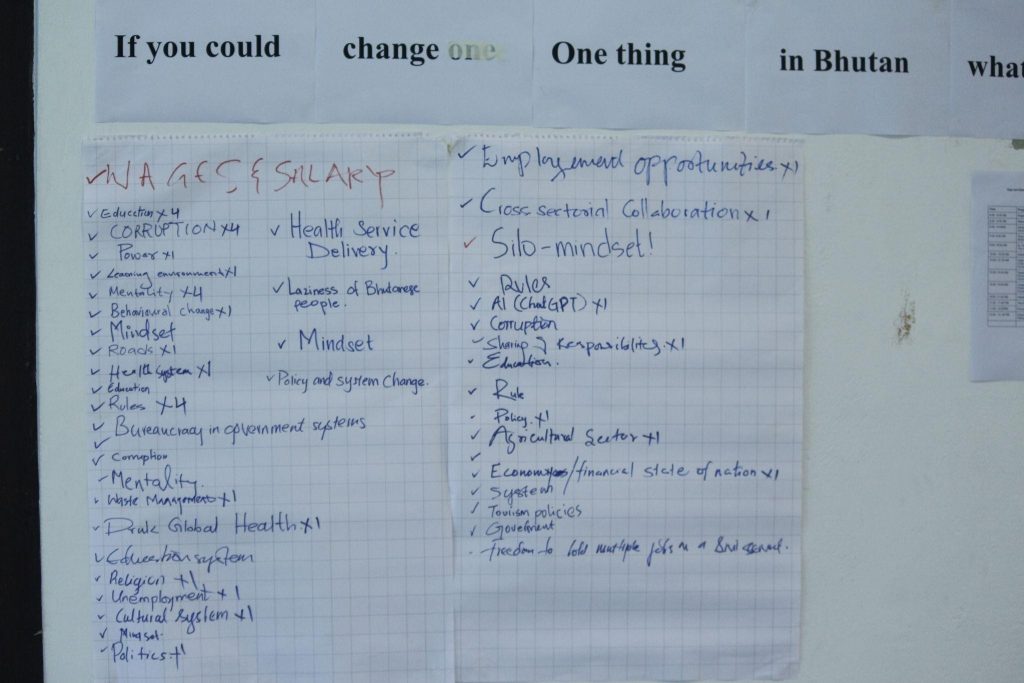
Figure 2: Participants’ Answers to the Question, “If You Could Change One Thing in Bhutan, What Would It Be?”
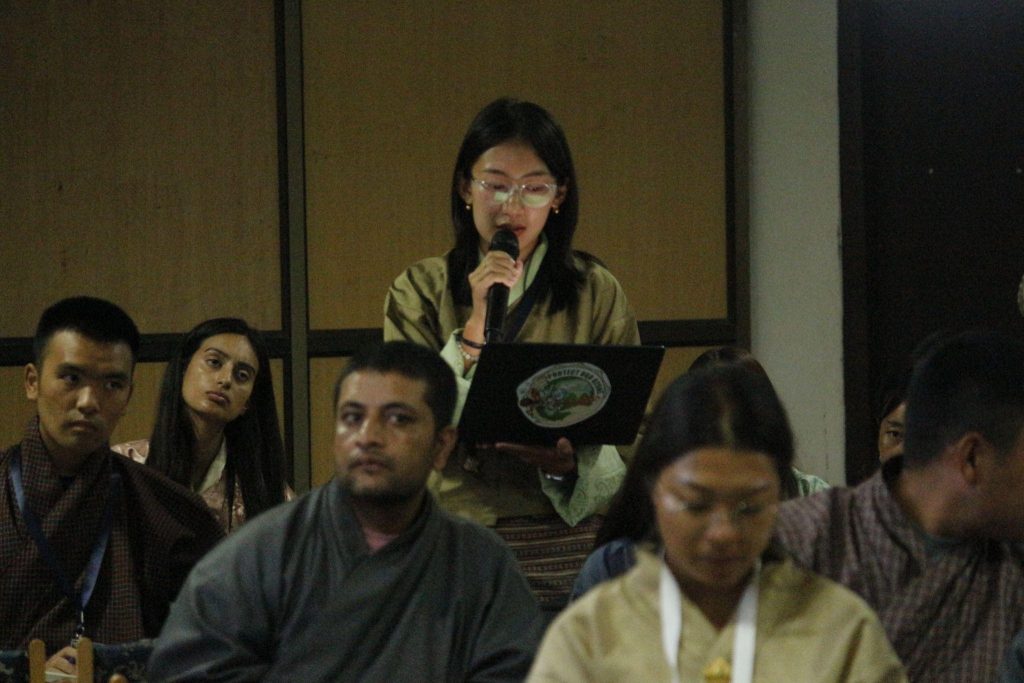
Figure 3: Participants presenting their opinions
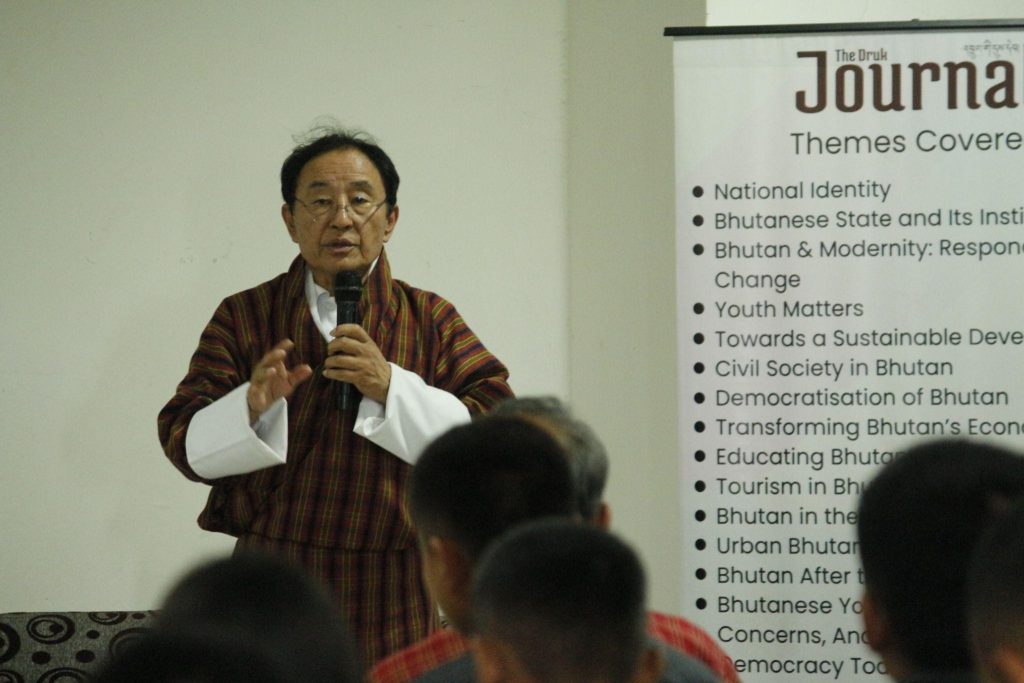
Figure 4: Moderator Dasho Kinley Dorji leading the discussion
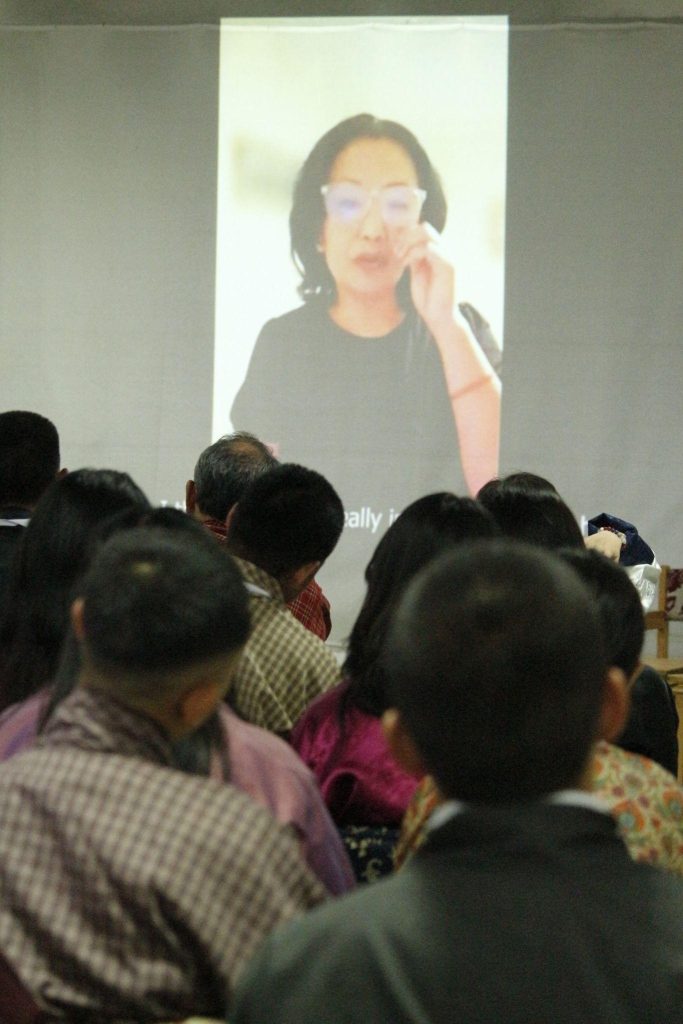
Figure 5: speaker 1 Thuji Lhamu
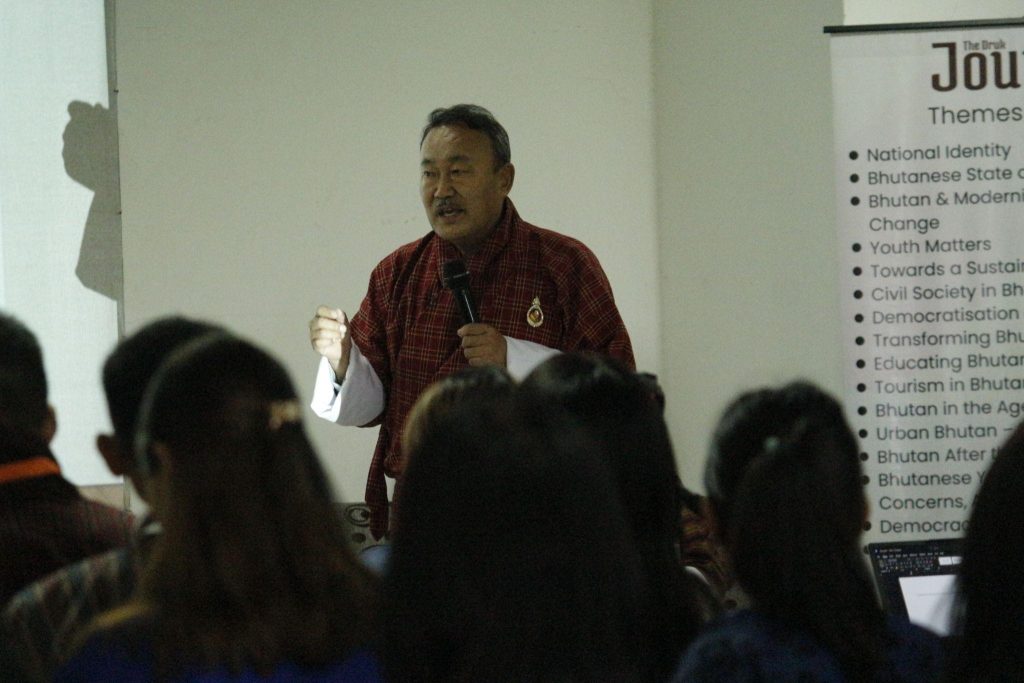
Figure 6: speaker 2 Dr. Pem Namgyal
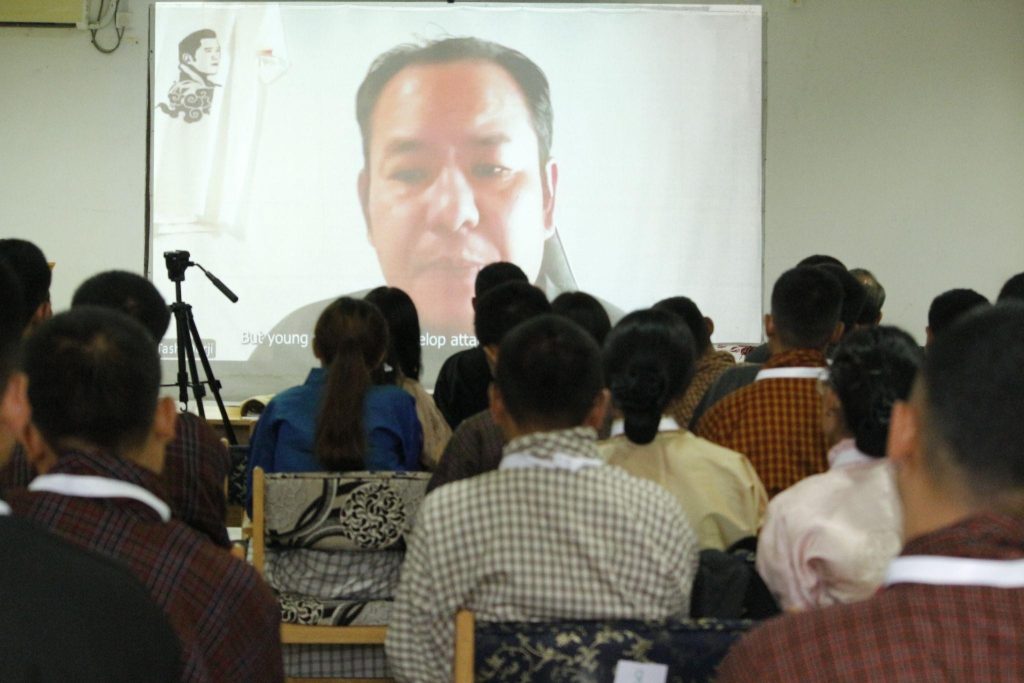
Figure 7: speaker 3 Tashi Dorji
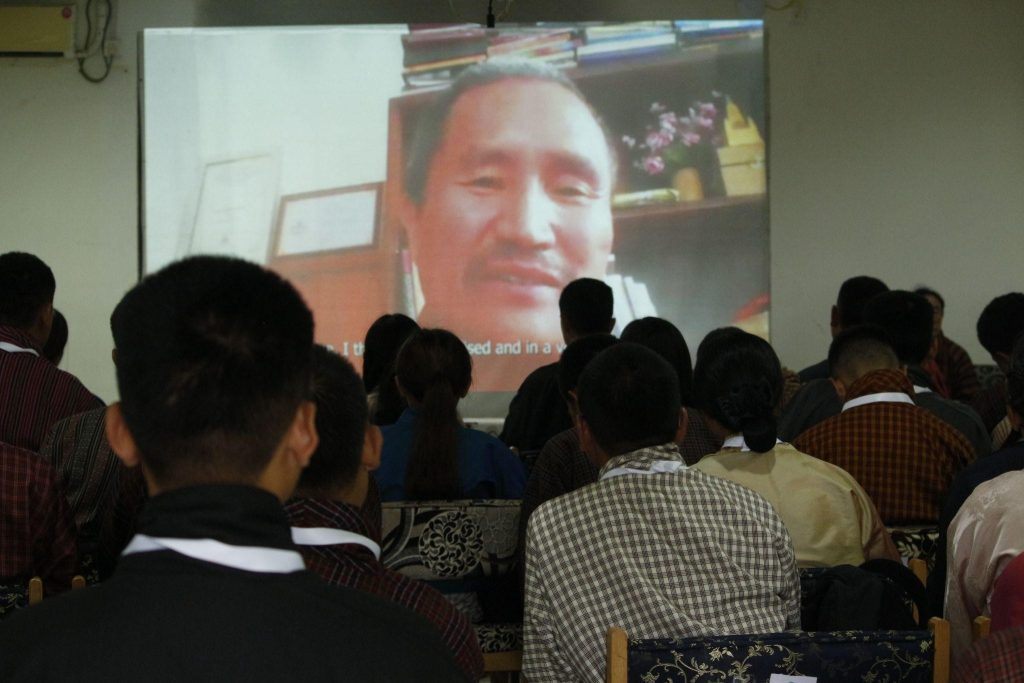
Figure 8: speaker 4 Tandin Dorji
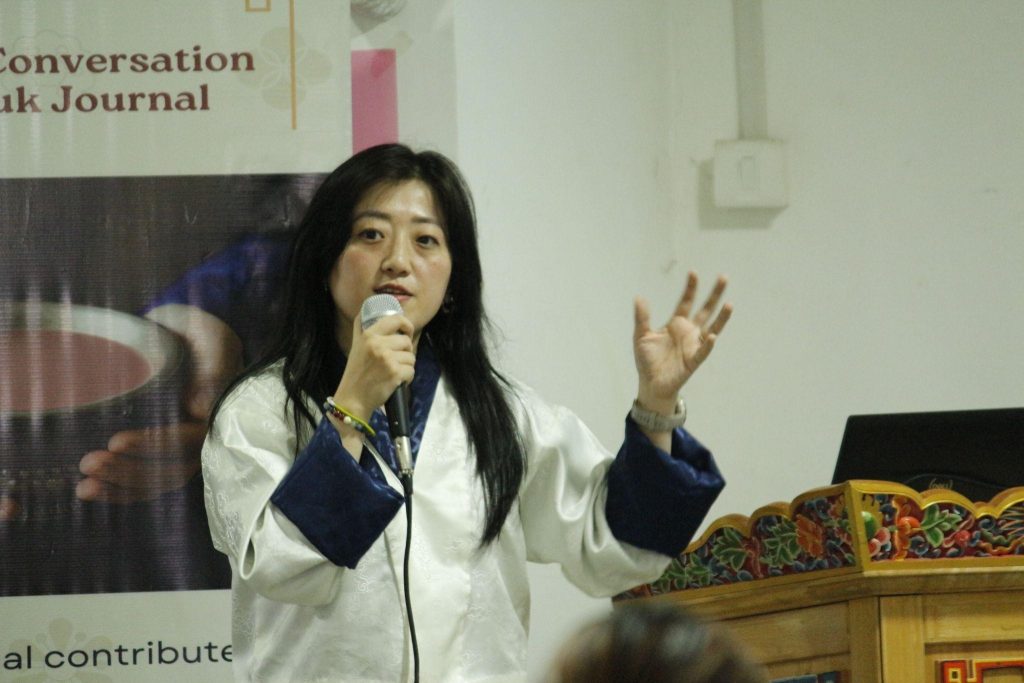
Figure 9: speaker 5 Yangchen Dolkar Dorji